Our History & People
The long story of the Mambwe
From ancient origins in the great Bantu migrations to a living chiefdom in modern Zambia — the heritage of a people rooted in Eastern Province.
Origins
The Mambwe people trace their roots to the great Bantu migrations that shaped Southern and Central Africa. Their ancestors moved south over many generations, carrying with them cultural traditions, agricultural knowledge, and the social structures that would come to define the community.
Early settlements took hold in the fertile valleys of what is now Eastern Zambia, where the people developed farming techniques and a clan-based social order suited to the land near the Luangwa.
The rise of the chiefdom
Over time, the chiefdom consolidated under leaders who established the royal lineage and the governance structures that still guide the Mambwe today. The chief stood — and stands — as both spiritual and political leader, supported by a council of elders and village headmen.
Colonial encounters and independence
The colonial era brought significant change, and the chiefdom's leaders navigated it while working to preserve the community's cultural identity. When Zambia moved toward independence, the Mambwe took part in the life of the new nation while holding firmly to their own heritage.
The Mambwe today
In modern Zambia, the Mambwe people continue to balance tradition with progress. The chiefdom plays an active role in community development, cultural preservation, and national unity — keeping the customs of the ancestors alive for the generations to come.
Historical information drawn from oral traditions, archival records, and academic research. Replace with your verified account and sources.
A timeline
Eras of the Mambwe
Origins of the Mambwe
Migration from the north during the Bantu expansion, and settlement in the fertile valleys of Eastern Zambia.
Rise of the chiefdom
Consolidation of the Mambwe chiefdom under visionary leaders who established the royal lineage and governance.
Colonial encounters
Navigating the arrival of colonisers and missionaries while preserving cultural identity.
Path to independence
Participation in Zambia's independence movement while keeping cultural identity strong within the new nation.
Contemporary Mambwe
A thriving community balancing tradition with development, cultural preservation, and national unity.
Living culture
Traditions of the Mambwe
The practices and beliefs carried through generations.
Traditional governance
A hierarchy of chief, headmen, and village elders has guided Mambwe society for centuries — the chief as spiritual and political leader, with a council for decision-making.
Clan & social structure
A clan system defines relationships and responsibilities, supported by extended family networks, age-grade associations, and mutual support.
Spiritual beliefs
Ancestral veneration, nature spirits, traditional healers, and rites of passage connect the Mambwe to their ancestors and the natural world.
Music & dance
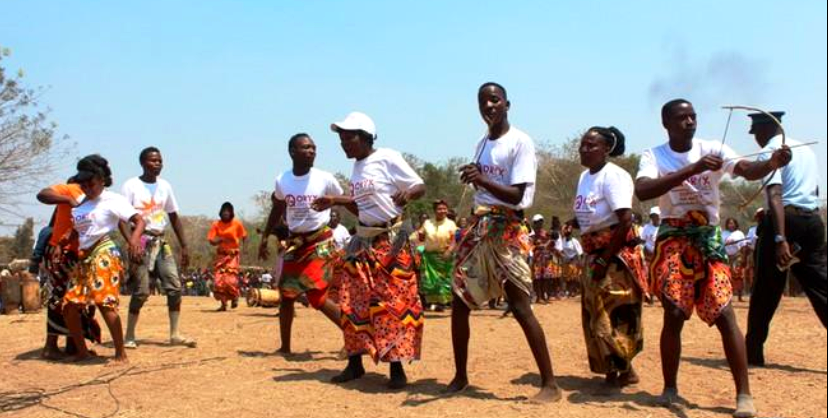
Traditional instruments and ceremonial dances animate festivals and rites — most vividly at the annual harvest celebration.